

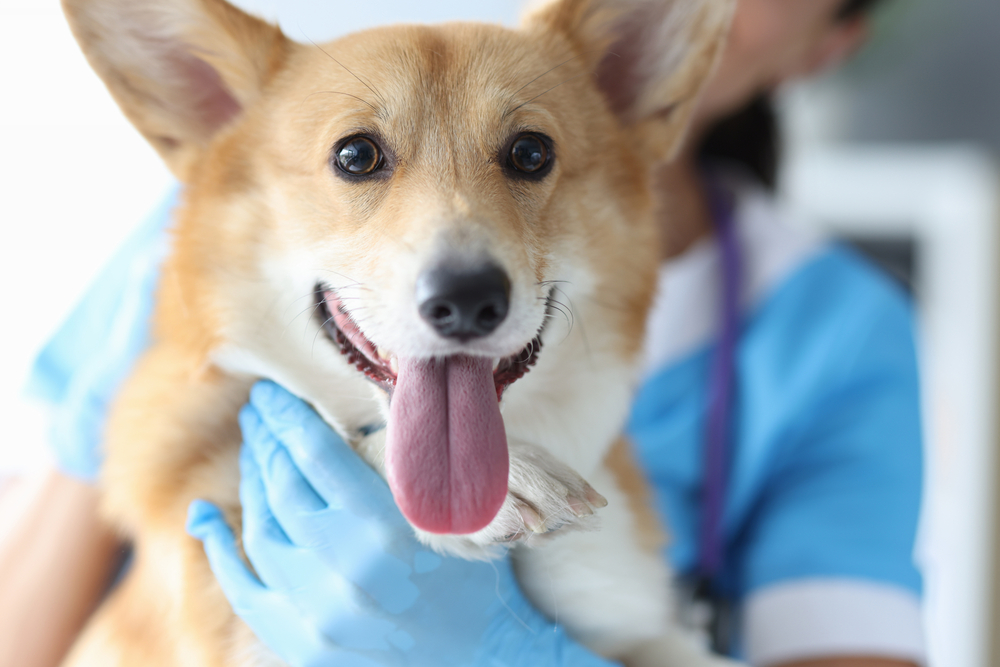
Comprehensive Senior Screening: How These Tests Guide Treatment Decisions
Not long ago, your pet was the one sprinting to the door, leaping onto the couch, or demanding breakfast like it was an emergency. Now you might notice a little gray fur, a slower rise after naps, or a few new “quirks” like drinking more water or having the occasional upset stomach. Some changes really are part of normal aging, but others are early hints that something inside the body is shifting. Because dogs and cats can’t explain what feels different, routine screening is one of the best ways to catch problems early, when treatment is usually simpler and comfort is easier to protect.
That’s exactly why we put so much emphasis on senior screening at Village Animal Hospital in Wichita. Our approach means we don’t just react to symptoms, we look ahead and help you understand what’s going on before a small issue becomes a big one. As an AAHA accredited practice, we follow the highest standards for patient care and thorough evaluations. Senior screening may include blood testing and pressure checks, thyroid testing, and imaging such as X-rays that helps us connect the dots. You can request an appointment for wellness care, and our in-house and advanced diagnostics help us get clear answers quickly.
Senior Pet Screenings: Why Proactive Care Matters
For many senior pets, twice-yearly visits are the sweet spot. Aging can change organ function gradually, and the body often compensates well at first, which is why problems can stay hidden. Senior pet screening helps us find those quiet shifts before they start affecting appetite, energy, mobility, or behavior.
The real value of routine testing is threefold: it catches issues early, creates a baseline to compare future results, and helps us spot subtle trends over time. We often recommend preventive testing because it can uncover early kidney disease, thyroid changes, diabetes, and heart concerns before they become emergencies. Your pet’s plan is never one-size-fits-all. Our wellness care approach matches screening to age, breed, lifestyle, and what you’re noticing at home.
Senior Blood Work: The Foundation of Early Answers
What Blood Panels Reveal About Your Pet’s Health
If senior screening had a starting point, blood work would be it. A complete blood count looks at red and white blood cells, while a chemistry profile and electrolytes help evaluate kidneys, liver, blood sugar, proteins, and overall balance in the body. These veterinary diagnostic tests can flag anemia, infection, early kidney changes, liver concerns, and diabetes well before symptoms show up.
When results come back, our job is to translate them into a practical next step. Sometimes that means adjusting diet, changing a medication plan, or recommending a focused follow-up test to clarify a borderline value. Just as importantly, we compare today’s results with previous baselines, because trends often matter more than a single number. Our diagnostics support timely testing and clear communication, and we partner with referral labs when we need an even deeper look.
Thyroid Testing: Energy, Weight, and Comfort
Thyroid Disease in Dogs: Slowing Down Isn’t Always “Just Age”
It’s easy to assume a dog is slowing down simply because they’re older. But if you’re noticing weight gain, lower energy, or recurring skin and ear issues, thyroid hormone levels may be playing a role. Canine hypothyroidism is common in middle-aged and senior dogs, and it’s typically straightforward to diagnose with a blood test.
Many families notice a familiar pattern: a dog who seems tired more often, gradually gains weight, and develops coat or skin changes that don’t fully improve. Once confirmed, treatment is usually a daily medication, and most dogs feel noticeably better when levels are stable. Monitoring matters, too, because dosing needs can change with time and weight.
Thyroid Disease in Cats: When Appetite Climbs but Weight Falls
Cats can send very different thyroid signals. With feline hyperthyroidism, many older cats lose weight even though they seem hungrier than ever. You may also notice restlessness, louder vocalizing, or changes in drinking and urination. Hyperthyroidism can strain the heart and kidneys, which is why early diagnosis and careful monitoring are so important.
Treatment may involve medication, a prescription diet, or radioactive iodine therapy, and the right choice depends on lab results and your cat’s overall health picture. Once the plan is established, many cats feel more comfortable and settle back into their normal routines. If test results suggest a more complicated situation, our team can help coordinate specialty support while keeping you informed at every step.
Blood and Eye Pressure Checks: Small Tests, Big Impact
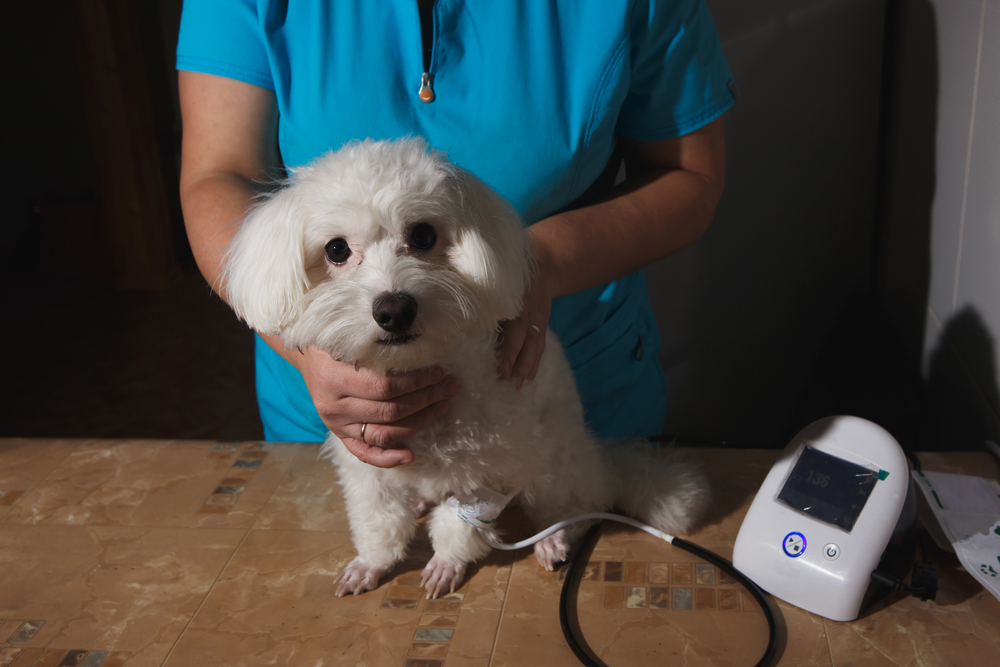
Blood pressure is one of those measurements that can quietly change without obvious warning signs. High blood pressure can affect kidneys, the heart, and even vision, and some pets don’t show symptoms until damage has already started. The test itself is simple and gentle, using a small cuff on the leg or tail, and it provides valuable information that helps guide treatment decisions.
We follow evidence-based guidance on systemic hypertension when interpreting results and deciding when to treat. Blood pressure issues often travel with other conditions such as kidney disease, thyroid disease, and diabetes, so screening helps us get ahead of those connections. With regular monitoring and a manageable plan, often involving medication and follow-up checks, many pets do very well over the long term.
Eye pressure checks, or “tonometry”, helps us pick up another painful common age-related condition: glaucoma. We may recommend this test for certain pets depending on age, breed, and if any eye symptoms like red eye or irritation is present. Cocker Spaniels, Miniature Poodles, and Shih Tzus are just a few of breeds more prone to glaucoma.
Urinalysis: A Clear Window Into Kidney Health
Urinalysis gives us information that blood work alone can’t provide. It evaluates urine concentration, pH, protein, glucose, blood cells, crystals, and bacteria, which helps us assess hydration and kidney function and screen for urinary tract infections and metabolic changes. When we interpret urine results alongside blood work, we get a more complete picture of what the kidneys are doing day to day. Our diagnostics help us move quickly from “something might be off” to “here’s what we can do.”
Heart Health and Imaging: Catching Concerns Early
Detecting Heart Disease Before It Disrupts Daily Life
Sometimes the first clue of heart disease is something we hear during an exam, like a murmur or an irregular rhythm. From there, we can choose the right tools for your pet’s situation. For heart disease diagnosis, we may recommend chest X-rays, an echocardiogram, or NT-proBNP testing to screen for cardiac strain.
This is especially helpful because senior dogs commonly develop valve disease, and cats may develop cardiomyopathy. The earlier we identify a problem, the easier it is to plan medications, adjust activity, and schedule follow-ups that keep life comfortable and predictable.
X-rays: Seeing the Full Picture
Imaging helps us connect symptoms to real answers. Modern X-ray imaging can evaluate the heart and lungs, abdominal organ size and position, bones and joints, and hidden masses.
We often recommend imaging when we see patterns like:
- Persistent cough or breathing changes
- Vomiting, unexplained weight loss, or abnormal stools
- Lameness, stiffness, or suspected arthritis
- Palpable lumps or changes in body shape
Imaging works best when it’s paired with exam findings and lab work, because it gives us a clearer roadmap for next steps. It’s also great for screening breeds who may be at higher risk of certain cancers so we can catch them before complications occur. If needed, we can have a Board-Certified Radiologist review the x-rays.
Screening Common Senior Conditions: Targeted, Thoughtful Care
Detecting Cancer Earlier Makes a Difference
Cancer can show up in many forms, from skin masses to enlarged lymph nodes to internal changes that only imaging can reveal. Routine exams and screening help us identify red flags earlier, which often creates more options for treatment and supportive care. Fine needle aspirates of lumps can tell us if it’s something to watch or worry about. Certain blood tests can pick up some cancer types, like lymphoma, before symptoms appear. X-rays and ultrasound can sometimes find hemangiosarcoma (splenic tumors) before internal bleeding occurs, or osteosarcoma (bone cancer) before it spreads significantly or a bone breaks.
If we find something concerning, we focus on clear explanations, practical next steps, and recommendations that match your pet’s needs and your goals for care.
Chronic Kidney Disease: Common but Manageable
Chronic kidney disease (CKD) is one of the most common age related diseases in pets. In cats especially, chronic kidney disease is common in later life and often starts silently. By the time symptoms like weight loss, vomiting, and excessive thirst and urination appear, the kidneys have already lost a significant amount of their function.
Early interventions may include diet adjustments, hydration support, and realistic home routines that improve comfort. Tracking results over time is also key, because kidney disease tends to be gradual, and small changes can guide big decisions.
Liver Health: Reading the Signals
Liver changes are often first spotted on routine lab work, even when a pet seems outwardly normal. Elevated enzymes can mean inflammation, medication effects, endocrine disease, or other causes that require follow-up. Many liver problems can be managed successfully when they’re caught early and monitored consistently.
Depending on findings, we may recommend additional lab testing, imaging, or a tailored treatment plan that supports your pet’s day-to-day comfort.
Arthritis and Mobility: Keeping Movement Joyful
Many older pets still want to do everything they’ve always done, their joints just need support to keep up. Exams, gait assessments, and X-rays help us confirm arthritis and understand how advanced it is. In addition to medication, exercises for osteoarthritis, weight management, supplements, and simple home modifications can make a noticeable difference.
Our multimodal pain management plans focus on realistic routines that fit your household and help your pet stay active safely. Laser therapy is a great way to reduce pain and inflammation, keeping senior pets moving comfortably longer.
A few practical home tweaks can help a lot:
- Add non-slip rugs where your pet walks most.
- Use supportive bedding, especially for bony hips and elbows.
- Keep nails trimmed for better traction.
- Stick with frequent, gentle activity rather than long, intense exercise.
Dental Health: A Crucial Part of Senior Wellness
Dental problems are incredibly common in older pets, and they matter for more than just breath. Ongoing inflammation and infection in the mouth can cause pain, reduce appetite, and even cause heart, kidney, and liver disease. Professional dental care under anesthesia allows cleaning above and below the gumline, full-mouth dental X-rays, and targeted treatment based on what we find. Pre-anesthetic blood work is especially important for senior pets because it helps us tailor anesthesia and monitoring as safely as possible.
At home, watch for clues like bad breath, drooling, reluctance to chew, pawing at the mouth, or a pet that suddenly seems picky about kibble. Some pets start chewing on one side or drop food more often. Between professional cleanings, brushing and vetted dental products can help slow plaque buildup. At Village Animal Hospital, our full dental care services include ultrasonic scaling, polishing, periodontal sealants, full-mouth radiographs, and detailed records so we can track changes over time.
Building a Personalized Senior Care Plan
There’s no single “right” senior plan, because pets age at different speeds and have different risks. Screening results, physical exam findings, breed tendencies, and daily routines all help shape a plan that makes sense for your pet and your household. Many seniors do best with visits every six months, with testing timed around what we’re monitoring and what you’re noticing at home.
Here’s how we typically build that plan with you:
- Choose testing that fits both prevention and current concerns.
- Set clear recheck timelines so we can track trends and adjust early.
- Align nutrition, medications, and lifestyle with your pet’s comfort goals.
- Keep communication open so decisions feel shared and manageable.
If you’d like to talk through options, please reach out to us and we’ll help you choose a screening plan that fits your pet’s needs and your budget.
FAQs: Senior Screening, Symptoms, and Next Steps
What age is “senior” for dogs and cats?
Many pets are considered senior around 7–8 years, earlier for large-breed dogs.
How often should screenings be done?
Twice-yearly exams with targeted tests help catch changes early.
What symptoms should prompt a visit?
Weight loss or gain, increased thirst, coughing, mobility changes, behavior shifts, or dental pain.
Can anxious pets handle testing?
Yes. Our Fear Free approach and gentle handling help most pets relax.
Invest in Your Pet’s Golden Years With Confidence
Senior screening turns “I’m not sure if this is normal” into a clearer picture and a plan you can act on. When we catch changes early, we often have more options, more time, and a smoother path to keeping your pet comfortable. If you’ve noticed new habits, changes in routines, or just a general “something feels different,” a screening visit is a smart next step.
Our team is ready to help you get started with senior wellness care. You can request an appointment when you’re ready to build a senior screening plan that fits your pet and your life- we’re here to help.




Leave A Comment