

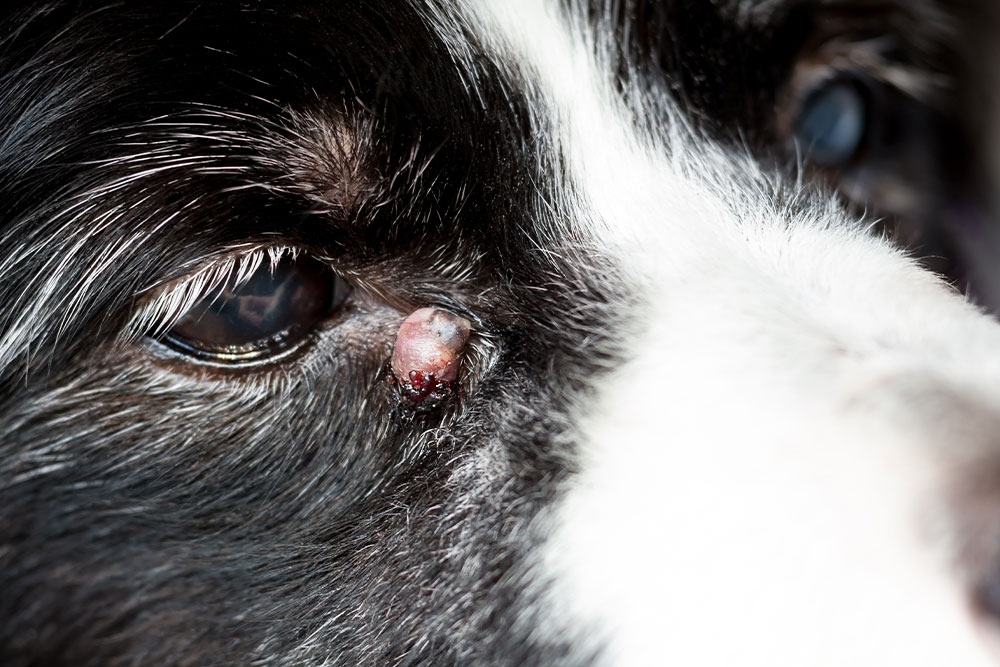
It often starts with a casual scratch behind your dog’s ear or a belly rub on your cat- then you feel it. A lump. Your heart sinks, your mind races, and you wonder: “Is this serious?”
At Village Animal Hospital, we understand that moment of uncertainty. Many skin masses are completely harmless, but it’s always best to have them examined. Our veterinary team provides compassionate, thorough evaluations, using advanced diagnostics to determine whether a mass is benign or requires treatment. Early assessment can make all the difference in managing your pet’s comfort and health.
If you’ve noticed something new or changing on your pet’s skin, our knowledgeable staff is here to help. You can request an appointment anytime for peace of mind and guidance.
Common Types of Benign Skin Masses in Pets
Not all skin lumps are cause for alarm- many are benign and or don’t need treatment. Pets of all ages can develop different kinds of masses, and knowing what you’re looking at helps you stay proactive. However, no mass can be 100% identifiable by feel or look alone. Further diagnostics are needed to be sure that something that seems harmless isn’t actually a more serious mass pretending to be a simple benign growth.
Soft, movable lumps beneath the skin are often lipomas, which are slow-growing fatty deposits that typically don’t pose a threat. They’re common in older large breed dogs. Sebaceous cysts, formed by blocked oil glands, may drain or shrink on their own. They’re more common in older small breed dogs.
In younger dogs, two types of masses are more common. Papillomas are warty growths caused by a contagious virus and usually occur around the mouth. Histiocytomas are small, round, raised masses that often occur on feet and ears that appear and then regress within a couple of months.
During your pet’s routine wellness care, our team will check for subtle changes in your pet’s skin and coat. These regular exams allow us to detect potential concerns before they progress and ensure that benign lumps aren’t cause for concern, and remain stable.
When a Lump Might Be Cause for Concern
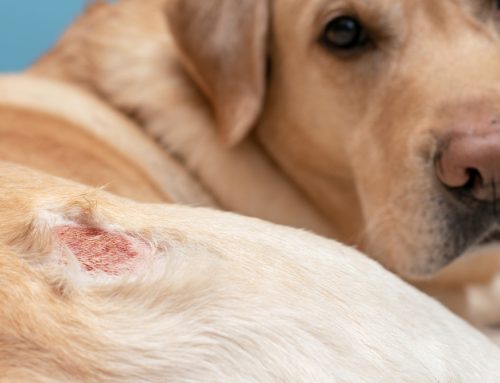
While some skin masses are harmless, certain changes deserve immediate veterinary attention. You should call us if a lump grows rapidly, changes texture, becomes painful, bleeds, or feels fixed to deeper tissue. These characteristics can indicate more serious disease processes.
Some malignant tumors can mimic harmless lumps at first glance, so even slow-growing masses should be evaluated to establish a baseline and track any progression over time. Early detection often means simpler treatment options and better outcomes.
Cancerous Indicators
When evaluating whether a lump might be malignant, several warning signs stand out. Irregular borders, ulceration, sudden growth, or associated lethargy can all raise suspicion. If you’re wondering, “How can I tell if does my pet have cancer?”- remember that only a veterinary exam and testing can provide clarity.
There are many types of cancer in pets, and each behaves differently, so staging and biopsy results are crucial for accurate treatment planning.
If you notice concerning signs, don’t wait. Not all cancers are the same- some are highly treatable with surgery or medication, while others benefit from ongoing management to maintain comfort and quality of life. Our experienced doctors can assess the mass quickly and, if needed, provide same-day emergency care. You can contact us anytime to schedule an evaluation.
How Veterinarians Diagnose Skin Masses
When you bring your pet to us for a skin lump evaluation, we begin with a gentle but detailed physical exam. Our veterinarians review your pet’s history, noting any previous growths, recent changes, or behavioral shifts. Next, we assess the mass’s shape, size, and texture to determine the best diagnostic approach.
Common skin cancers include several more common types that pet owners should be aware of, as recognizing warning signs can lead to earlier diagnosis and better outcomes:
- Squamous cell carcinoma is one of the most common and dangerous skin cancers affecting cats and dogs, particularly those with white or light-colored fur on areas like the ears, nose, and eyelids. This aggressive tumor develops from prolonged sun exposure and can be locally invasive, destroying surrounding tissue if not caught early.
- Mast cell tumors are among the most frequently diagnosed skin cancers in dogs and can range from relatively benign to highly aggressive depending on their grade. These tumors arise from mast cells in the immune system and can appear anywhere on the body, often looking like raised, red, or ulcerated masses.
- Melanoma in dogs can develop in the skin, mouth, or nail beds, with varying degrees of aggressive behavior depending on location. Oral and nail bed melanomas tend to be more aggressive than those found on the skin, making location a critical factor in prognosis.
- Basal cell carcinomas in cats are typically benign tumors that grow slowly and rarely spread to other parts of the body. These tumors most commonly appear on the head, neck, and chest of older cats as firm, raised nodules. While generally not life-threatening, surgical removal is often recommended to prevent local growth.
- Hemangiosarcoma is an aggressive cancer that develops from blood vessel cells and can occur in the skin or internal organs. Cutaneous hemangiosarcoma, which appears on the skin, generally has a better prognosis than internal forms affecting the spleen or heart. This cancer is more common in certain breeds like German Shepherds and Golden Retrievers.
Diagnostic Techniques
The first step often involves fine needle aspiration and cytology- collecting a few cells from the lump for examination under a microscope. The cytology helps us distinguish infections, inflammation, or potential cancer.
Depending on results, we may recommend additional diagnostic testing such as digital radiography or lab work to rule out deeper involvement. Biopsy of the mass may be needed to get a diagnosis in some cases, or to understand how malignant a mass is- meaning, how high the risk of spread to other parts of the body may be. Regular wellness care supports this process, helping us track changes in your pet’s skin and overall health over time.
Our team works closely with pet parents through every step, ensuring clear communication and personalized recommendations.
Skin Conditions That Can Mimic Cancerous Lumps
Some lumps and bumps aren’t tumors at all but signs of other conditions. Infections, parasites, and allergic reactions can all cause skin changes that look like masses. Understanding these differences ensures the right treatment.
An abscess is a prime example- often resulting from bites, scratches, or punctures. Rapid swelling, pain, or discharge signals the need for a prompt visit. Left untreated, infections can spread quickly, so early intervention helps prevent complications and discomfort.
Skin lumps can also appear as part of allergic or parasitic reactions. Hives, or raised welts, are often linked to allergens. Dogs may also experience deep infections like interdigital furunculosis, where nodules form between the toes, which are often due to allergies. Parasites such as ticks may cause localized inflammation or small nodules, so preventing ticks on pets is an important part of preventive health.
If your pet shows ongoing irritation or swelling, we can evaluate for allergies, parasites, or other skin sensitivities and provide relief strategies tailored to their needs. Comprehensive care may include topical therapy, medicated baths, or changes to diet and environment to minimize recurrence.
Treatment and Management Options
Every skin mass requires individualized care. Some lumps can simply be monitored, while others may need medical therapy or removal. At Village Animal Hospital, we’ll walk you through each option, discussing the benefits, risks, and expected outcomes to ensure your comfort and understanding.
Treatment Strategies
Masses that interfere with mobility, comfort, or daily activity are often best addressed surgically- whether they are cancerous or not. Our general surgery suite is fully equipped for safe, closely monitored procedures, and we prioritize pain prevention throughout recovery.
If surgery isn’t immediately necessary, we may recommend regular monitoring or less invasive treatments. Our approach balances safety and compassion, ensuring your pet’s comfort every step of the way. For individualized recommendations, you can request an appointment to discuss options with our team.
We also provide post-operative pain control, follow-up diagnostics, and lifestyle guidance to help your pet return to their normal activities comfortably.
Recovery and Follow-Up
After treatment, follow-up care is key. We schedule rechecks to monitor healing, review pathology results if samples were taken, and adjust care plans as needed. Our doctors will guide you through incision care and what to watch for at home- keeping communication open to reduce stress for both you and your pet.
Because some growths can recur, we recommend ongoing monitoring and preventive care to detect any future changes early. This continuity of care gives owners peace of mind and keeps pets healthier longer.
Staying Proactive: Monitoring and Preventing Future Concerns
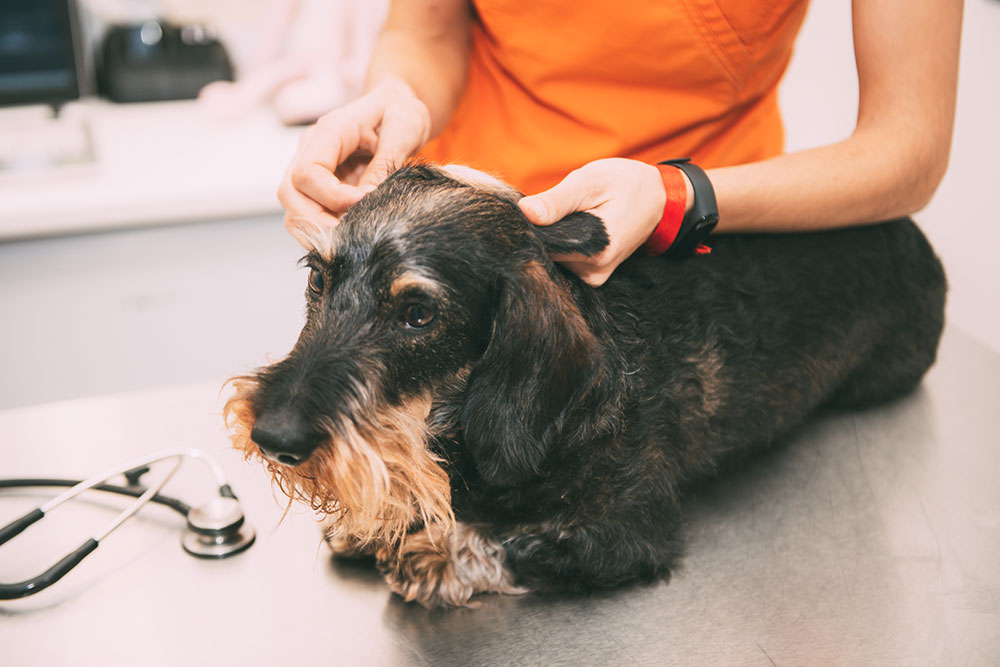
Regular monitoring is your best defense against serious illness. Even small or stable lumps should be checked at least once by a veterinarian. We encourage all pet owners to maintain a “lump log”- noting when and where new bumps appear and taking photos over time. This simple practice helps us detect subtle changes that might otherwise go unnoticed. Annual wellness care appointments include full-body exams that can reveal hidden changes before they become advanced.
As an AAHA-accredited hospital, Village Animal Hospital upholds the highest standards in diagnostics, surgery, and client education. We believe in empowering you with knowledge and support so you never walk your pet’s health journey alone. If you’ve noticed a new lump, or if you simply want reassurance, don’t wait- contact us today to schedule a visit.


Leave A Comment