
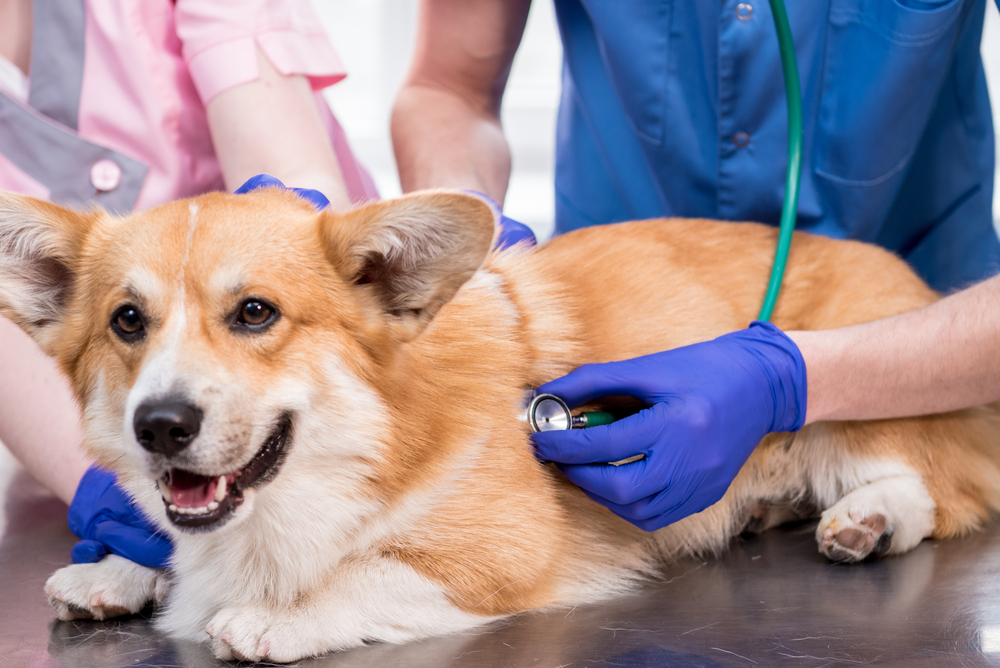
Three medications after a heart disease diagnosis sounds like a lot, but each one targets a different problem the failing heart is creating. One helps the heart muscle pump with more strength, another flushes the excess fluid that backs up into the lungs once the heart cannot keep pace, and a third lowers blood pressure so the heart does not have to work as hard with every beat. Layered together, they hit heart disease from three angles at once, which is why pets on combination therapy often do better than pets on any single drug alone. The first few weeks of dosing are the hardest part, and once the routine settles in, most dogs and cats live well on these medications for a long stretch.
Village Animal Hospital in Wichita sees families walk out with new cardiac prescriptions all the time, and our AAHA-accredited, Limitless Care approach means we sit down and explain what is actually happening inside your pet. Our in-house bloodwork and digital X-ray let us monitor kidney values and track how the heart is responding to therapy over time. We adjust the plan as the data comes in so the medications keep up with what the heart is actually doing. If you are staring at a new bag of cardiac medications and feeling lost, schedule a visit so we can walk through each one with you.
The Short Version on Heart Disease
- Each cardiac medication does a distinct job, so Pimobendan strengthens the pump, diuretics clear fluid, and ACE inhibitors ease blood pressure, and they work best as a team rather than alone.
- The single most useful thing you can do at home is count your pet’s breaths while they sleep, since a rising resting respiratory rate is often the first sign fluid is building up.
- Heart disease caught early during a wellness visit, sometimes just as a murmur or an abnormal blood test, gives your pet a real head start on treatment.
- Severe cough, blue or pale gums, and collapse are emergencies that need same-day care, not a wait-and-see approach.
What Warning Signs Should I Watch For?
The signs of heart disease range from whisper-quiet changes you might chalk up to aging all the way to breathing emergencies that need care that same day, and knowing the difference helps you act at the right moment.
The Quiet Clues That Come First
The early heart disease signs are subtle ones: tiring faster on a walk, a soft cough, or a bit more rest than usual. They are easy to dismiss as normal aging. In dogs, you might notice reduced exercise tolerance, where the one who used to lead the walk now lags behind. Cats show almost nothing except breathing a bit faster or hiding more at first. More napping, a slightly reduced appetite, or a gradual dip in playfulness can all be early signs worth noting.
Signs That Cannot Wait Until Morning
Some signs mean the wait-and-see window has closed. A resting rate above 40 breaths per minute, labored effort, or a belly that heaves with each breath all point to fluid in or around the lungs. Open-mouth breathing in a cat, pale or blue gums, and any abrupt shift in breathing rhythm signal respiratory distress that calls for same-day care. Sudden collapse or fainting, especially after excitement or exertion, is another red flag. These are the moments to reach for urgent care during our regular hours, and for anything that happens after we close, the nearest veterinary emergency hospital is the right call.
How Do I Monitor My Pet’s Heart at Home?
The best cardiac monitoring happens in your living room between visits, because you see your pet every day and can catch a subtle shift long before the next recheck. A few simple habits turn you into our most valuable set of eyes, and the readings you gather help us fine-tune the plan.
Counting Breaths While Your Pet Sleeps
Counting your pet’s resting respiratory rate while they sleep is the single most useful number you can track at home, with a count comfortably under 30 breaths per minute being the goal. Watch the chest once your pet is fully relaxed, count each rise-and-fall as one breath for 30 seconds, then double it.
| Breaths per minute (at rest) | What it usually means | What to do |
| Under 30 | Comfortable, stable range | Keep logging as usual |
| 30 to 40 | Worth watching closely | Recount later that day and note the trend |
| Over 40 | Possible fluid building up | Call us, or seek same-day care if breathing looks labored |
Small Data Points That Add Up
Beyond breathing, a handful of small readings paint a clear picture of how your pet is doing week to week. Weigh your pet on the same scale each week, since sudden gains can mean fluid retention and steady losses can signal the disease is progressing. Note appetite and energy day to day, because a pet who stops greeting you at the door or turns up their nose at dinner is telling you something. Track how often a cough shows up, since one that becomes more frequent or wetter often means fluid is creeping back.
Getting the Pills In Without a Fight
Daily consistency matters more than perfect timing, so if you miss a dose, give it when you remember unless it is nearly time for the next one, in which case skip it and never double up. Many cardiac drugs also come in compounded or flavored formulations that make daily dosing far less of a battle. If pilling is turning into a daily struggle, call us with questions about medication alternatives and we will help you find a version your pet will actually take.
Catching Trouble at a Wellness Visit Instead of an Emergency
Heart disease found early and managed before symptoms set in consistently produces better outcomes than trouble discovered only after a pet is already struggling to breathe. Starting the right medication at the right stage can slow the whole process down.
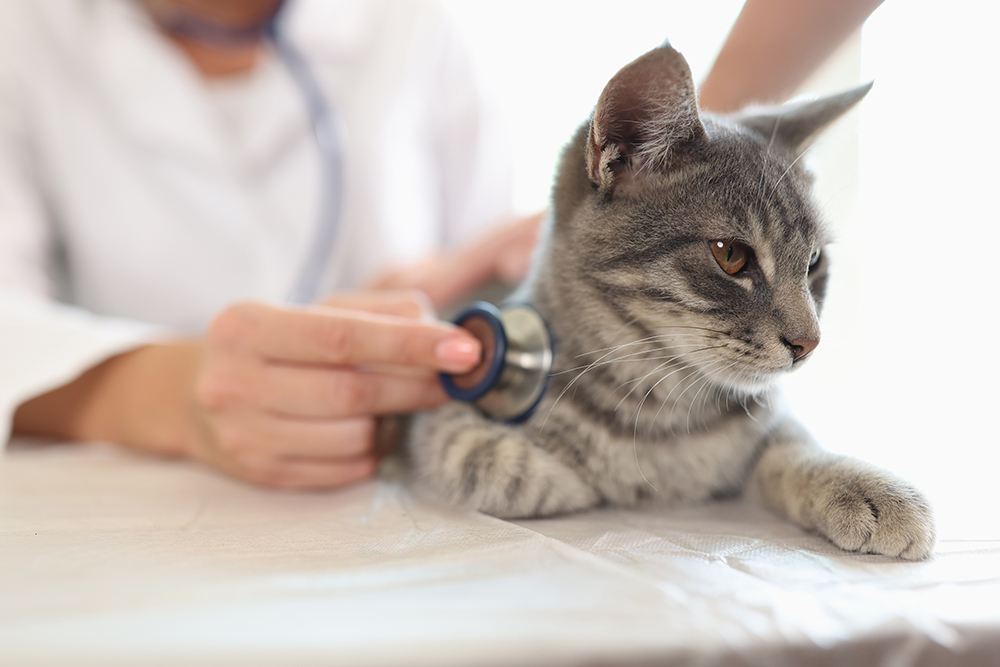
Senior pets benefit enormously from routine wellness visits. An incidental heart murmur picked up on a stethoscope can be the very first clue that something is changing. That murmur does not always mean trouble, but it earns a closer look. Preventive testing in senior pets often turns up problems long before a family notices anything at home. A simple blood draw for NT-proBNP screening can flag heart stress ahead of any outward symptom, which is why it has a place in annual care as pets get older. Chest X-rays, especially in breeds known to have heart disease, can show us an enlarged heart or fluid building up before symptoms begin. Catching heart disease before it’s progressed to heart failure means more treatment options and fewer emergencies.
Why Do Dogs and Cats Get Such Different Heart Problems?
The exact diagnosis drives the whole treatment plan, so two pets with murmurs can end up on completely different drugs depending on which chamber, valve, or muscle is affected. Dogs and cats also tend toward separate sets of heart problems, which is why their workups and medications rarely match.
Most heart disease is acquired over time, showing up in middle age or the senior years. A smaller group of patients are born with the problem, since congenital heart disorders appear in both species and shape the plan from the very first exam.
The Conditions We See Most Often in Dogs
Mitral valve disease is the most common acquired heart condition in dogs, showing up most often in small breeds such as Cavalier King Charles Spaniels, Dachshunds, and Chihuahuas, as the valve slowly stops closing properly. It is the one we see most, but it is not the only one:
- Dilated cardiomyopathy: dilated cardiomyopathy in dogs stretches and weakens the heart muscle, hitting large breeds like Dobermans and Great Danes hardest.
- Arrhythmias: arrhythmias in dogs are abnormal rhythms where the heart beats too fast, too slow, or erratically, and they can appear in any breed but are frequent in Boxers.
- Sick sinus syndrome: a misfire of the heart’s natural pacemaker, seen often in Miniature Schnauzers.
The Feline Side of the Picture
Hypertrophic cardiomyopathy thickens the walls of a cat’s heart muscle and is the most common feline heart disease, often progressing quietly because cats hide symptoms until the condition is well established. That masking is exactly what makes heart trouble in cats so tricky to catch.
Dilated cardiomyopathy, which weakens the pumping muscle, shows up in cats too, though taurine-supplemented diets have made it rare, and abnormal rhythms can accompany any of these diseases or appear on their own. Hyperthyroidism, common in older cats, also raises the risk of heart problems.
From Stethoscope to Specific Diagnosis
Treatment decisions rest on what the diagnostics actually show, not just the presence of a murmur, because the same sound can point to very different problems that call for entirely separate drugs. The workup starts with the stethoscope and builds from there depending on what we hear.
- Auscultation: listening to the heart tells us where a murmur is, how loud it is, and whether the rhythm sounds off.
- Chest imaging: chest X-rays show heart size and any fluid backing up into the lungs.
- Echocardiography: echocardiography done with a cardiologist gives a live ultrasound view of the heart’s chambers and valves, which is what turns a vague murmur into a specific diagnosis.
- Electrocardiography: an electrocardiogram records the heart’s electrical activity to catch rhythm disturbances.
Why Can’t Just One Pill Handle a Failing Heart?
Heart failure is not a single problem but several unfolding at once, so a treatment plan usually needs more than one tool. One drug strengthens the pump, another clears the fluid, a third eases the pressure, and sometimes a fourth steadies the rhythm. No single medication can cover all of that at once.
Because failing hearts run into several problems together, combination heart therapy addresses fluid, pumping strength, and blood pressure at the same time, with the mix adjusted at each recheck. Here is how the main classes compare.
| Medication class | What it does | Common examples |
| Positive inotrope and vasodilator | Strengthens the heart’s contraction and opens blood vessels | Pimobendan |
| Diuretic | Removes excess fluid from the lungs and body | Furosemide, spironolactone |
| ACE inhibitor | Relaxes blood vessels and lowers blood pressure | Enalapril, benazepril |
| Beta-blocker | Slows and steadies the heart rate | Atenolol, sotalol |
Pimobendan, the Cornerstone of Canine Heart Care
Pimobendan strengthens the force of each heartbeat while relaxing the blood vessels, which lightens the heart’s workload from two directions at once and is why it sits at the center of most canine cardiac plans. Dogs often perk up noticeably within days of starting it, with more energy and better stamina.
A study on when to start Pimobendan changed how vets time treatment, because it showed starting the drug before symptoms appear can delay the onset of heart failure in dogs with an enlarging heart. Instead of waiting for a dog to start coughing or struggling, we can step in earlier once imaging shows the heart is changing.
How Do Furosemide and Spironolactone Clear the Fluid?
Diuretics pull excess fluid out of the body and back out through the kidneys, which clears the lung congestion that makes a pet cough and struggle to breathe. Furosemide is the workhorse here and often the fastest to bring relief, so a pet starting it will drink and urinate much more than usual.
That extra thirst and all those trips outside are simply the drug doing its job when a pet is in active heart failure. Spironolactone works more gently and complements furosemide, helping the body hold onto potassium that the stronger drug tends to flush away and offering some longer-term protection to the heart muscle.
Because diuretics lean hard on the kidneys and shift electrolytes, those values need regular checking. Our in-house bloodwork lets us keep an eye on those numbers once treatment begins, so we can adjust the dose before a problem builds.
The Quiet Support ACE Inhibitors Provide
ACE inhibitors relax and widen the blood vessels, which lowers the pressure the heart pumps against and slows some of the harmful hormonal changes that heart failure sets in motion. Common ones include enalapril and benazepril. They are rarely used alone because their strength is in the way they support the other medications, taking a load off the heart so the whole plan works better together.
These drugs also earn their place when systemic hypertension rides along with heart disease, since easing the vessels lightens the burden on an already-working heart. Because the two conditions so often travel together, a blood pressure check is part of how we tune this piece of the plan.
Steadying the Rhythm With Beta-Blockers
Beta-blockers slow and steady a racing or irregular heart, which makes them most useful for pets whose main problem is a rhythm disturbance rather than a leaky valve or weak pump. Drugs like atenolol and sotalol fall into this group. They are not part of every cardiac plan, but for the right patient, a calmer beat can make a real difference.
The catch is that these medications need a careful touch, because slowing the heart too much can backfire. We usually start low, go slow, and monitor closely with rhythm checks so we land on a dose that helps without overshooting.
The Long Arc of Heart Disease
Heart disease is a progressive condition, moving from early quiet changes, through a middle stage where medication needs grow, and eventually toward advanced failure, though many pets live comfortably for a long time along that path. Knowing the general arc helps you understand what you are watching for at each turn.
In the early stage, the heart is changing but coping, and treatment may focus on slowing progression. As things advance, the pump struggles to keep up and doses climb. When the heart finally falls behind, fluid begins backing up into or around the lungs, and that stage is what we call congestive heart failure, the point where medication needs typically increase. Through every phase, regular rechecks keep us adjusting the plan alongside you.
Your Questions About Cardiac Medications, Answered
Will my pet have to take these medications forever?
Most pets stay on cardiac medications for the rest of their lives. Heart disease is a chronic condition, so the goal is management rather than cure. Stopping treatment abruptly can let fluid build back up quickly, so any change should always go through us first. The good news is that once you settle into a routine, daily dosing becomes second nature, and the drugs are what let so many pets keep living comfortably for months or years after a diagnosis.
Are there side effects I should worry about?
Most pets tolerate cardiac medications well, and the benefits far outweigh the risks for a heart that needs them. Diuretics naturally cause more thirst and urination, which is expected. The signs worth calling about are a big drop in appetite, unusual weakness or lethargy, vomiting, or refusing food, since these can point to dehydration or a shifting kidney value. That is exactly why we recheck bloodwork after starting therapy, so we can catch and adjust for anything before it becomes a real problem.
What should I do if my pet’s breathing rate suddenly climbs?
A resting breathing rate that jumps above 40 breaths per minute, especially with any effort or belly heaving, often means fluid is building up in the lungs. Recount to be sure your pet is truly at rest and not dreaming or warm. If the number holds high or the breathing looks labored, treat it as urgent and reach out to us right away during our hours, or head to the nearest emergency hospital after we close.
Walking the Heart Journey Side by Side
Managing heart disease is a genuine partnership, where the breathing counts and weekly weigh-ins you gather at home combine with our rechecks, bloodwork, and imaging to keep the treatment plan working as your pet’s heart changes. No single piece does it alone, and you are never expected to figure this out by yourself.
If your pet was recently diagnosed, is due for a medication review, or you have simply noticed something feels off, schedule a cardiac evaluation and we will walk through the whole plan with you.