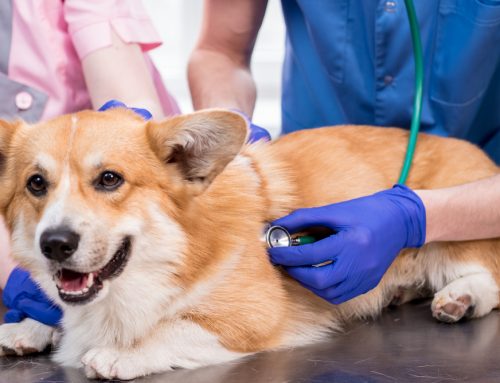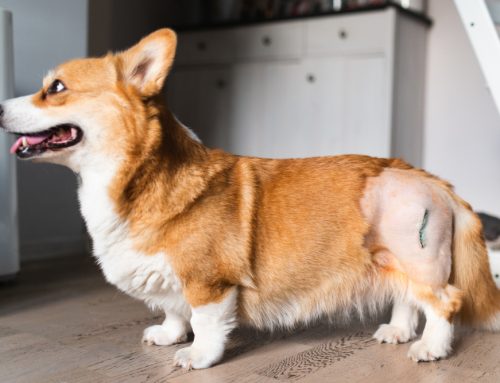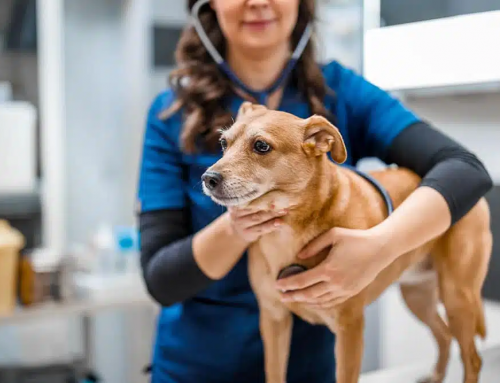


You see your pet every day, which can actually make slow changes in their body shape surprisingly hard to notice. That is one reason we check body condition at every visit. We feel over the ribs, look for a waist and abdominal tuck, and consider how much fat and muscle your pet is carrying alongside the number on the scale. One body condition score gives us a snapshot, but checking it regularly gives us a trend. We may catch a gradual weight gain before it starts putting extra strain on the joints, notice muscle loss in an aging pet, or spot unexpected weight loss that deserves a closer look. The earlier we notice a change, the more opportunity we have to figure out why it is happening and make manageable adjustments before it becomes a bigger health concern.
At Village Animal Hospital, an AAHA-accredited practice in Wichita, body condition is a routine part of wellness and preventive care because it helps us follow how your pet's health is changing over time. We will show you what we are seeing and feeling, talk through what a healthy body condition looks like for your individual dog or cat, and help you understand what you can watch for at home. If something is changing, we can work with you on a realistic plan, whether that means adjusting food and treats, finding appropriate ways to stay active, or looking more closely for a medical reason behind unexpected weight or muscle loss. If you are not sure where your dog or cat stands right now, come see us and we can take a look together.
Body Condition Score Snapshot
- Body condition scoring reads fat and muscle together, so it catches shifts a bathroom scale on its own will miss.
- The scale runs from 1 to 9, and most dogs and cats do best at a 4 or 5, where ribs are easy to feel and a waist shows from above.
- Measured portions do most of the work in weight loss, and movement supports it, so what goes in the bowl matters more than the length of the walk.
- Weight that moves on its own, with no change in food or routine, often has a medical cause behind it, and bloodwork usually sorts out which one.
Why Doesn't the Number on the Scale Tell the Whole Story?
A scale weighs everything at once and can't tell fat from muscle. Two pets can weigh exactly the same and be in completely different shape, because lean muscle is denser than fat and does the work of carrying a body through the day. Body condition reads composition, not pounds.
Build matters too. A Greyhound at a healthy score looks startling next to a Rottweiler at the same score, and both can be right. Show-ring looks and breed standards don't always line up with what's kindest to joints over a long life, so we're less interested in the ideal photo than in how your dog or cat gets through a normal Tuesday. Can they still hop onto the couch? Are they winded halfway down the block? Can your cat reach the base of their tail to groom? That's what we're feeling for at every preventive care visit: a small drift caught while it's still small.
How Do You Score Your Pet's Body Condition at Home?
Body condition scoring runs on a nine-point scale, where a 4 or 5 means ribs you can feel under a thin layer of padding, a waist you can see from above, and a belly that tucks up rather than hanging level. Three checks get you there: hands on the ribs, a look down, a look from the side.
- Hands on the ribs: Run flat palms along both sides of the chest. At an ideal score the ribs feel about like the bones in the back of your own hand, covered but easy to count without pressing.
- The view from above: Standing over your pet, look for the outline to narrow behind the ribcage. A straight or bulging silhouette means padding has crept in.
- The view from the side: The belly should slope upward from the ribs toward the hips. A level or sagging line points the other direction.
- Muscle, separately: Feel along the spine, shoulders, and thighs. Bony ridges where there used to be bulk matter even when the scale hasn't budged.
| Score | What you feel and see | What it means |
| 1 to 3 | Ribs, spine, and hips visible with little or no cover; severe tuck; muscle wasting | Underweight |
| 4 to 5 | Ribs easy to feel under thin padding; waist clear from above; belly tucks up | Ideal |
| 6 to 7 | Ribs take real pressure to find; waist blurred or gone; belly flat instead of tucked | Overweight |
| 8 to 9 | Ribs hard to find under fat; no waist; deposits over the spine, tail base, and abdomen | Obese |
Try it monthly. Long coats hide a great deal, and a fluffy cat or a Pomeranian can shift half a score before anything is visible from across the room. If the hands-on part feels like guesswork, book a body condition check and we'll show you where your pet lands and what a 5 feels like under your fingers.
What Does Carrying Extra Weight Do to a Dog or Cat's Body?
Body fat isn't inert padding, and most of the damage it does arrives slowly: stiffness, shorter walks, and chronic disease showing up earlier than it had to.
- Joints and spine: Arthritis starts sooner and hurts more when every step carries a heavier load. Extra weight loads the spine as well as the joints, and intervertebral disc disease can turn a jump off the couch into sudden pain, wobbly back legs, or paralysis that needs surgery within hours.
- Metabolic: Fat tissue is metabolically active, and the insulin resistance it drives is one reason diabetes shows up more often in overweight pets, bringing twice-daily insulin, glucose curves, and a permanent change to how meals work. Pancreatitis is also more common in overweight pets.
- Heart, lungs, and heat: Blood pressure tends to run high, and the heart pushes against more tissue than it was built for. Breathing suffers most in flat-faced breeds, whose airways have no margin to spare, and any pet insulated by a fat layer overheats faster on a Kansas afternoon.
- Urinary and surgical: Urinary stones turn up more often in heavier pets, partly because they tend to move less and drink less. Anesthesia also carries more risk when dosing has to account for a body that's largely fat.
- Lifespan: The link between obesity and lifespan is measured in years: dogs kept lean lived close to two years longer than the littermates fed heavier, and they developed arthritis and chronic disease later.
None of this starts anywhere but love, and treats are how a lot of us say hello and thank you for holding still. But a condition brought on by body weight usually means daily medication and monitoring for the rest of a pet's life, sometimes surgery too, and preventing that is kinder than managing it.
What About the Pet Who's Too Thin?
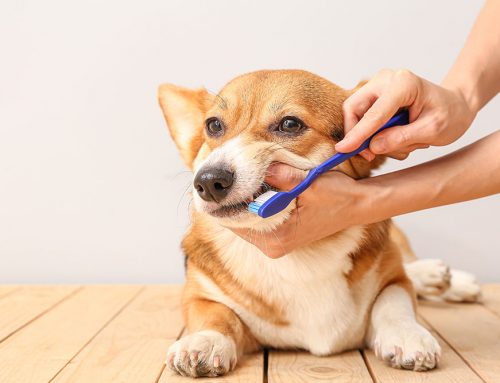
Being too thin carries its own risks. Underweight dogs and cats have less immune reserve, struggle to hold body heat, and lose the muscle they need for balance and safe stairs. Recovery from illness or surgery drags when there's nothing to draw on. And in older pets, muscle can disappear while the scale holds steady, which is why we score muscle on its own. Unexplained loss usually traces to something specific, and a sore mouth is one of the common ones, so dental exams and cleanings sometimes solve an appetite problem that looked like plain pickiness.
How Much Should Your Pet Be Eating?
Portions should be built around the weight your pet should be rather than the weight on today's scale, and a calorie calculator turns that ideal number into a daily target you can measure into a bowl. The chart on the bag is a starting point for an average animal, not a prescription for yours.
Measure it. A heaped scoop and a level cup can differ by a third, and eyeballing is how most households overfeed without meaning to. Everything counts toward the daily total: biscuits, dental chews, the cheese wrapped around a pill, the last bite of toast. Keeping all of that under roughly ten percent of the day's calories leaves room for the food doing the nutritional work.
Cats need a slower approach than dogs, because cutting calories too fast can trigger hepatic lipidosis, a liver failure that begins when a cat stops eating and the body floods the liver with fat. Never crash-diet a cat, and never skip meals to hurry things along. Human diet pills and appetite suppressants aren't safe for dogs or cats either.
Is a Prescription Weight-Loss Diet Worth It?
Choosing pet food for weight loss comes down to whether the formula was fed to pets in a controlled trial and proven to take off fat while preserving muscle, or simply labeled light and lowered in fat. Over-the-counter light foods often cut fat and stop there, which can leave a pet hungry and shedding muscle alongside the fat. Therapeutic formulas usually carry more protein and fiber, so a smaller bowl still satisfies. For a pet with a lot to lose, or with arthritis or diabetes in the picture, that predictability is worth a great deal. Our AAHA accreditation calls for a nutritional assessment at every visit, so we'll match the food to body condition, health status, and the goal rather than to a label.
What Does Safe Weight Loss Look Like Week to Week?
Safe dog weight loss lands around one to two percent of body weight per week, which in practice means measured meals, walks that build up gradually instead of one ambitious Saturday hike, and a weigh-in every two to four weeks. Cats go slower still.
Cat weight loss almost never comes from exercise alone, so the work is measured portions plus short bursts of wand-toy play. Puzzle feeders and slow bowls help on both sides of the aisle, turning dinner into a project for the dog who inhales it in eight seconds.
| Dogs | Cats | |
| Where the loss comes from | Measured meals, with movement adding to the deficit | Measured meals, almost entirely |
| Movement that works | Leash walks that lengthen a little each week, swimming, gentle hills for fit dogs | Two or three short play sessions daily, plus food hidden in a few spots |
| Better rewards | Green beans, carrot coins, kibble counted out of the daily ration | A few pieces from the ration, or a lick of the wet food already budgeted |
| What backfires | One long weekend outing after a sedentary week | Any rapid calorie cut or skipped meal |
A flat month is normal rather than a failure. When the number stops moving, our veterinarians can recheck the score, recalculate the target, and trim portions from there. Weigh-ins are quick and welcome between appointments, so bring your dog or cat by and we'll add a number to the chart.
When Is a Weight Change a Medical Problem?
Weight that shifts on its own, with no change to food or routine, deserves a workup. Hormone and organ diseases move metabolism and appetite in both directions, and the combination of which way the weight is going and what the appetite is doing usually tells us which system to look at first.
- In dogs: A dog gaining weight without eating more, with a thinning coat and no interest in walks, may be showing hypothyroidism, where a slowed thyroid drags metabolism down with it. Cushing's disease adds a pot-bellied shape, heavy drinking, and hair loss along the flanks. Diabetes runs the opposite way, with a big appetite and a falling number on the scale.
- In cats: An older cat who eats constantly and still gets thinner is the classic picture of hyperthyroidism, and the weight will not come back until the overactive thyroid itself is treated. Chronic kidney disease brings gradual loss with more thirst and a fading interest in food.
A belly that swells over days or weeks while the ribs and spine stay easy to feel isn't fat gain: fluid, an enlarged organ, or internal bleeding can do that, and it needs a same-day exam rather than a diet. Sorting the rest out starts with a hands-on exam and bloodwork, where a complete blood count, chemistry panel, and urinalysis cover most of the common culprits. Treat the underlying problem and weight usually starts moving the right way again on its own.
Does the Right Body Condition Change as Pets Age?
The target stays a 4 or 5 for life, but what it takes to hold there keeps changing. Puppies and kittens are building frame and muscle. Adults need steady maintenance on fewer calories than most households expect. Seniors can lose muscle while gaining fat, so the score looks stable while the body underneath is quietly reorganizing.
Exams every six months are the fix for that, because dogs and cats age faster than we do and twelve months is a long stretch to go without a hands-on check. Annual screening panels give us a baseline to compare against, so a small shift in kidney values or thyroid level reads as a real change instead of a number floating on its own. Portions, food choice, and activity targets get revisited as life changes: after a spay or neuter, after an arthritis diagnosis, after a move to a smaller yard.
Common Questions About Pet Weight Management
Is my cat just big-boned?
Frame really does vary. A Maine Coon can be healthy at 15 pounds while a petite domestic shorthair is heavy at 12, so the scale alone won't settle it. Bone doesn't hide ribs, though. If you can't feel them under a thin layer of padding, and the outline doesn't narrow behind the ribcage, that's fat rather than build.
How long should losing weight take?
Plan in months, not weeks. At a safe pace, a dog with ten pounds to shed is often looking at four to six months, and cats need an even gentler slope. Slow is the whole point: fast loss strips muscle along with fat, and pets who drop weight quickly tend to regain it.
Does spaying or neutering cause weight gain?
Calorie needs drop after the surgery while appetite usually stays exactly where it was, so weight can creep up if the bowl doesn't change with it. That's arithmetic, not a reason to skip the procedure. Trimming the daily amount and rechecking body condition a month or two afterward keeps most pets right where they should be.
Where to Start With Your Pet's Body Condition
A better body condition means easier movement, fewer medications later, and more good years in the same house together. Getting there isn't about willpower or loving your dog or cat less. It's a target weight, a measured amount, treats that count toward the total, and a check-in often enough to know whether it's working. Saying no to a hopeful face at the counter is hard, so get in touch when something isn't working between visits instead of waiting it out.
Bring the food bag, the treat list, and your honest routine. Schedule a visit at Village Animal Hospital in Wichita and we'll start with a hands-on score, then build a plan around the life you actually have.