
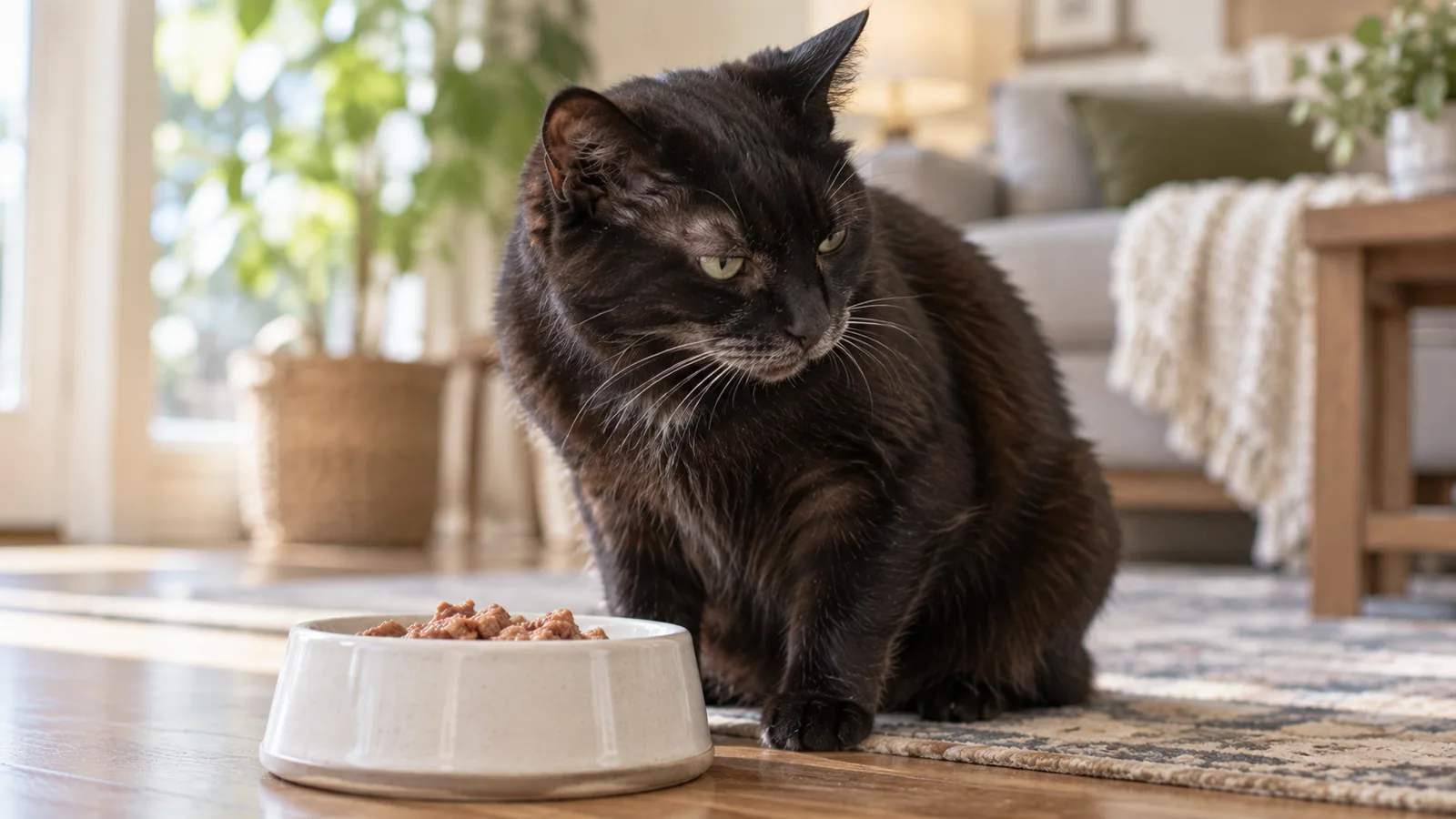
Finding the cause of chronic vomiting takes a sequence of tests rather than a single one, because your dog or cat could be dealing with a food sensitivity, a kidney or thyroid problem, a parasite, an obstruction, or inflammation deep in the intestinal wall. Vomiting that keeps coming back over weeks or months, especially when your pet is also losing weight, eating less, or having on-and-off diarrhea, is a pattern, and that is rarely something one treatment fixes. Each step of a workup answers a specific question: blood and urine work checks the organs, imaging shows the shape and contents of the belly, a food trial rules diet in or out, and a biopsy reads the intestinal lining itself. Skipping ahead usually costs more time than it saves, because treatment only holds when it is aimed at the real cause.
Village Animal Hospital in Wichita works a chronic vomiting case in order rather than guessing at it, using the diagnostic testing for dogs and cats, digital X-ray included, that each step calls for. Weeks of cleanup with no explanation wear on you, and not knowing why it keeps happening is the hardest part. We explain what each test showed and which causes it ruled out, so you leave our AAHA-accredited hospital with a plan you understand rather than one you are simply handed. If your dog or cat has been vomiting on and off for weeks, schedule a visit and let us start sorting out the cause.
When Vomiting Becomes a Pattern
- Vomiting that repeats over weeks or months is a pattern rather than a bad day, and patterns have findable causes.
- Food, swallowed objects, organ disease, stress, and inflammation in the intestinal wall all produce the same symptom, so testing is what tells them apart.
- A workup moves in order: bloodwork and urine first, then imaging, then a strict diet trial, then tissue sampling.
- Blood in the vomit, a painful belly, unproductive retching, or a pet who can't keep water down means being seen right away.
What's Really Behind Weeks of Vomiting in Dogs and Cats?
Chronic vomiting traces back to four broad places: what your pet eats or swallows, an organ problem outside the digestive tract, disease inside the GI tract itself, and habits like speed-eating or ongoing household stress. More than one can be in play at once. The veterinarians and technicians working the case with you keep track of what each result showed and what's left to check.
Food, Treats, and Whatever They Found Outside
Diet is among the most common contributors and one of the last things a family questions, partly because the bag hasn't changed in a year. Food allergies involve an immune response to a specific protein while intolerances are a digestive reaction with no immune component, and pet food selection matters for both, because switching brands every few months makes the triggering ingredient nearly impossible to identify.
Dogs raid garbage and cats swallow hair ties, and partial GI obstructions from a sock or a chunk of a squeaky toy often produce weeks of on-and-off vomiting rather than the sudden crisis families picture. When imaging shows something stuck, surgical removal of swallowed objects is what ends the symptoms. Never try to make your pet throw up an object at home unless we've told you to, since the wrong item can do more damage coming back up than it did going down.
When the Trouble Starts Outside the Stomach
Nausea is often a downstream effect of something else failing. Chronic kidney disease lets waste products build up in the bloodstream, and that buildup causes nausea well before most families notice the increased thirst or the slow slide in weight. Calming the stomach without finding the organ behind it buys a few good days at most.
| Condition | Other clues you may spot | The reason nausea follows |
| Pancreatitis | A hunched stance, a painful belly, flat energy, refused meals | Inflammation there irritates the entire upper digestive tract |
| Hyperthyroidism in cats | Weight dropping while the appetite grows, restlessness, a rough coat | Too much thyroid hormone pushes food through faster |
| Liver and gall bladder disease | Yellowing gums or eyes, a tender abdomen, pale stool | Bile stops moving and toxins stop clearing |
| Chronic kidney disease | More water, more trips outside, slow weight loss, a pickier appetite | Byproducts the kidneys once removed pile up in the blood |
When the Gut Wall Is the Suspect
With the organs cleared, the search moves to the intestinal lining. Inflammatory bowel disease is a steady infiltration of that lining by inflammatory cells, thickening it until digestion and nutrient absorption both suffer. Intestinal lymphoma is the one we watch for in older cats and can look nearly identical to IBD on ultrasound. Gastric cancer is less common and tends to appear in older dogs alongside slow weight loss. Structural trouble makes its own patterns: gastric ulcers bleed a little at a time and leave dark coffee-ground material, bilious vomiting syndrome brings up yellow bile on an empty stomach before breakfast, and pyloric stenosis narrows the stomach's exit until meals return hours later.
Telling these apart takes lab results and your observations together. The treatments share almost nothing: a diet change, immune suppression, chemotherapy.
Could Fast Eating or Stress Be the Whole Explanation?
Fast eating and stress can each account for weeks of vomiting on their own, and neither one shows up on a blood panel. A dog who inhales dinner in eight seconds and returns it whole has a mechanical problem rather than a medical one, and cats under steady household tension vomit in a way that looks identical to disease from the outside.
The Dog Who Eats Like Dinner Might Vanish
Food that returns nearly intact within minutes of a meal, sometimes called "scarf and barf," shows up most in multi-pet homes and in pets who went hungry earlier in life. The fix is mechanical rather than medical. Make the meal take longer with interactive feeders or a puzzle bowl, feed each pet in its own room, and split the day's ration into smaller servings.
Stress Lands in the Gut
A move, a newborn, jackhammers outside, or a strange cat on the windowsill can unsettle digestion for months. Hiding under the bed, overgrooming a flank, and refusing to share the couch belong to the same picture as the vomiting, because stress and anxiety in dogs and cats surface in the gut as readily as in behavior. Behavioral counseling helps us map what's changed at home and what's worth adjusting first. We still rule out medical causes before landing here, because anxious pets get kidney disease too.
How Do I Know When Vomiting Needs a Vet Visit?
Vomiting needs a vet visit once it turns into a pattern. One episode in a pet who bounces right back can wait. Vomiting that repeats weekly for a month, or arrives with weight loss, extra thirst, low energy, or intermittent diarrhea, has earned an exam. Blood, a painful belly, or retching with nothing coming up means picking up the phone now.
What the Vomit Itself Tells Us
Jot down the timing, how many episodes this week, and how long after a meal they hit. What comes up is evidence in itself, and the appearance of vomit can shorten the list of suspects before we run a single test.
- Yellow or green bile means the stomach was empty.
- Whole food minutes after a meal points to regurgitation rather than true vomiting.
- Dark, grainy material like coffee grounds is digested blood.
- Foamy white liquid often rides along with an irritated stomach lining.
Signs That Mean It's Time to Schedule
- Vomiting more than once a week, or several days in a row
- Weight loss you can feel over the ribs and spine even when the scale barely moves
- Noticeably more drinking and urinating
- Lower energy, less interest in meals, or new fussiness at the bowl
- Diarrhea that comes and goes alongside the vomiting
If your cat brings up hairballs more often than once a month, that points to motility and inflammation in the GI tract rather than to diligent grooming. Age raises the stakes, since kidney disease, thyroid disease, and intestinal cancer all turn up more often in senior pets.
Signs That Mean Call Us Now
- Blood: Fresh red streaking, or something dark and gritty like wet coffee grounds.
- A belly that looks or feels wrong: Distension, a hunched stance, or crying out at a touch.
- Retching with nothing coming up: Repeated unproductive heaving in a deep-chested dog can mean bloat, a true emergency.
- Water won't stay down: Dehydration moves fast when every drink comes back.
- Severe lethargy: Hard to rouse, wobbly, or collapsing.
- Very young or very old pets vomiting alongside any other symptom.
We provide urgent and emergency care during our regular business hours, so call us first when we're open. Please don't give human pain or nausea medication while you wait, since ibuprofen and related drugs can cause the ulcers we're trying to rule out.
What Testing Comes First for a Vomiting Pet?
The first round of testing for a vomiting pet is a full history and a nose-to-tail exam, followed by four baseline studies: bloodwork, urine, a fecal sample, and radiographs. In-house laboratory work and digital radiology keep most of that first round in the building, with results back during the same visit instead of days later.
- Bloodwork: A chemistry panel and blood count check kidney and liver values, blood sugar, electrolytes, and signs of infection or anemia. Cats get a thyroid level in the same draw.
- Urinalysis: Urinalysis shows whether the kidneys still concentrate urine properly and whether protein is leaking where it shouldn't, which bloodwork alone cannot tell us.
- Fecal testing: Parasites such as Giardia and whipworms cause chronic digestive signs and resolve easily once identified.
- X-rays: Radiographs reveal organ size and shape, gas patterns that hint at a blockage, and some swallowed objects. A barium study follows when plain films leave questions.
- Ultrasound: An abdominal ultrasound reads organ texture and the intestinal wall layers radiographs can't show, and we coordinate that study with a specialty hospital when a case needs it.
A kidney value near the top of the reference range looks fine on its own. Set it beside the same cat's panel from two years ago and a slow climb shows up. That is the quiet argument for routine wellness visits long before anything goes wrong.
How Does a Food Trial Actually Work?
A food trial works by stripping the diet down to one protein your pet's immune system has no history with, then watching what happens. A structured diet trial runs eight to twelve weeks on that single novel or hydrolyzed protein food and nothing besides.
No dental chews. No table scraps. No flavored medications. Nothing swiped from the bowl in the next room.
- Novel protein: a meat your dog or cat has never eaten, such as rabbit, venison, or duck. An immune system cannot react to a protein it has never met.
- Hydrolyzed protein: an everyday protein broken into fragments too small for the immune system to recognize.
Over-the-counter limited-ingredient bags sound like the same thing and aren't. They run on shared equipment, and testing has repeatedly found proteins inside that never appear on the label. One flavored heartworm tablet can muddy the result too. Tell us about every chew and pill your pet gets and we'll swap in versions that fit.
Does My Pet Need an Endoscopy or Exploratory Surgery?
Your pet needs an endoscopy or exploratory surgery when bloodwork, imaging, and a strict diet trial have all come up short and the only answers left sit in the tissue itself. Two procedures collect that tissue, and they reach different depths.
Endoscopy: A Camera, No Incision
Endoscopy passes a flexible camera into the upper GI tract under anesthesia to look directly at the stomach and intestinal lining and collect small tissue samples, with no incision and most pets back to themselves the next day. We refer endoscopy to a specialty hospital here in Wichita and coordinate the scheduling and records with them.
Exploratory Surgery and Full-Thickness Biopsies
Exploratory surgery takes the open route. The abdomen is opened under anesthesia, every organ gets examined directly, and full-thickness samples come from several spots along the stomach and intestines in that one procedure. Disease living deep in the wall turns up on those samples when a surface pinch would miss it. Either route includes pain control before, during, and after a procedure, planned for your individual pet rather than applied from a template.
| Endoscopy | Exploratory surgery | |
| Right choice when | Earlier tests leave the diagnosis open | Imaging flags a mass or blockage, or shallow samples fall short |
| Tissue it brings back | Small pinches of the lining | Whole-wall samples taken at several points |
| How far it reaches | The stomach and first loops of small intestine | Everything inside the abdomen, organs included |
| Getting back to normal | Anesthesia alone, most pets themselves by the next day | An incision, plus roughly two weeks of restricted activity |
What a Biopsy Result Changes
A pathologist reads the tissue and names what's there: inflammatory cells and which type, cancer cells, an infectious organism, or a normal lining that sends us looking elsewhere. IBD and intestinal lymphoma mirror each other on imaging, yet one is managed with diet and immune-modulating medication while the other calls for chemotherapy. Treating the wrong one costs the time the right one needed.
What Does Treatment Look Like Once We Know the Cause?
Treatment once we know the cause takes one of three shapes: keeping a food-responsive pet on the diet that fixed them, quieting the inflammation in the gut wall for IBD, or treating the organ disease that was driving the nausea.
- Food-responsive vomiting: the best news a workup can deliver and the easiest to lose. The diet works only while it stays the only thing going in.
- IBD: managed rather than cured, usually an anti-inflammatory or immunosuppressive medication paired with a diet that asks less of the intestine.
- Systemic disease: stabilizing kidney values, controlling a thyroid level, or supporting the liver improves the vomiting by treating the real problem.
What we recommend gets decided with you rather than handed to you, and our team is always happy to have a conversation about next steps and treatment options.
Chronic Vomiting Questions Pet Families Ask Us Most
Is It Normal for a Cat to Throw Up Once a Week?
Throwing up once a week is common in cats, and common is not the same as normal. A weekly episode, even a tidy hairball, points to a digestive tract that isn't moving or absorbing the way it should. If yours keeps a standing appointment with the rug, that deserves an exam and usually a blood panel, particularly once she's past seven.
Can We Just Try a Sensitive Stomach Food First?
Trying a sensitive stomach food first is a reasonable instinct, and some pets do seem better for a while. What partial improvement hides is the problem. Kidney disease, a slow-growing mass, and a swallowed hair tie all wax and wane on their own, and a few good weeks rule out nothing. Test first, then run the diet trial properly and get a result you can trust.
Is My Senior Pet Too Old for Anesthesia?
Your senior pet is not automatically too old for anesthesia. Old age by itself is not a diagnosis, and a birthday alone doesn't take a biopsy off the table. Bloodwork, blood pressure readings, and an EKG tell us how the heart and kidneys are likely to handle it, and those findings shape the drug choices and the monitoring plan. The greater risk for many senior pets is spending their remaining good months on a guess instead of a diagnosis.
Getting You Real Answers About the Vomiting
Weeks of this wear on a household. A methodical workup reaches an answer in most cases, and every test narrows the field, including the ones that come back normal. Village Animal Hospital in Wichita works these cases in order and tells you what each result meant along the way. Book an appointment when you're ready, or reach out if you'd rather talk it through first.